
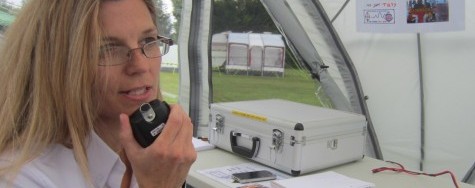
Amateur radio, also known as ham radio, is a hobby that lets you experiment with radio, electronics and wireless communication, while making contact with other radio amateurs locally and around the world.
You can keep it simple with a handheld radio and local contacts, or explore antennas, satellites, digital modes, Morse code, long-distance communication and plenty more. It’s one of those hobbies that can be as technical – or as social – as you want it to be.
|
Video: Amateur Radio in 2 Minutes |
Why become a radio amateur?
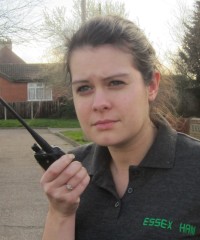
Amateur radio has a lot to offer people who enjoy technology, communication, experimenting and learning new things. Do any of these sound like you?
- Curious about how radio and wireless technology actually work?
- Interested in talking to people locally, across the UK or around the world?
- Used CB radio, PMR walkie-talkies or tried shortwave listening?
- Looking for a technical hobby where there’s always something new to explore?
- Interested in experimenting with radios and antennas at home or out-and-about?
- Interested in satellites, space communication or digital radio?
- Looking for a community of people with a shared interest in radio and technology?
Find out how to get started in amateur radio »
What can you do with amateur radio?
There are many different sides to the hobby, and you don’t have to be interested in all of them. Some examples include:
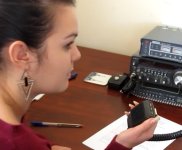 Talk to local radio amateurs from home, portable or while mobile
- Make contacts across the UK, Europe and around the world
- Use local amateur radio repeaters to extend the range of a handheld or mobile radio
- Experiment with antennas, radios and different types of propagation
- Use digital modes to exchange text, data and pictures
- Try modes such as FT8, SSTV and digital voice
- Learn and use Morse code – although Morse is completely optional
- Take part in contests and see how many stations or countries you can contact
- Operate portable from parks, hills and other interesting locations
- Communicate through amateur radio satellites
- Listen for – and sometimes contact – amateur radio operators aboard the International Space Station
- Experiment with unusual techniques, including bouncing radio signals off the Moon
- Take part in special-event stations and amateur-radio community activities
For many people, though, the biggest attraction is simply making contacts and becoming part of the amateur radio community. It’s a hobby in which people regularly share knowledge, ideas and practical help with each other.
Do I need an amateur radio licence?
You don’t need an amateur radio licence simply to listen to amateur radio transmissions, but you normally need a licence before you can transmit on the amateur radio bands.
In the UK, the normal starting point is the Foundation licence. The Foundation exam consists of 26 multiple-choice questions and gives newcomers a straightforward route into the hobby.
How do I get started?
Getting an amateur radio licence is much easier than many people expect. You can study at home, take the Foundation exam online with a remote invigilator, and then apply online to Ofcom for your amateur radio licence and callsign after you’ve passed.
|
Video: How To Get Started |
Free Foundation training from Essex Ham
Essex Ham offers a free online Foundation training course designed for complete beginners.
You don’t need any previous experience of radio or electronics. The course takes you through the material you need for the UK Foundation exam and has already helped thousands of people prepare for their first amateur radio licence.
Ready to get started? |
If you prefer face-to-face training, some amateur radio clubs also offer classroom-based courses and exam support.