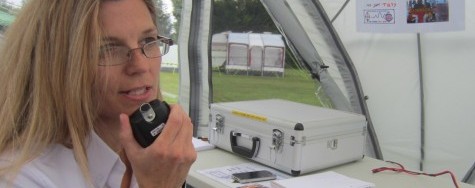
Amateur Radio, also known as “ham radio“, is a unique hobby that allows enthusiasts to explore the world of radio with other amateurs around the world. If you have an interest in anything to do with radio, communication or electronics, then amateur radio could be the hobby for you. Read on to find out more.
|
Video: Amateur Radio in 2 Minutes |
Why would you want to become a ham?
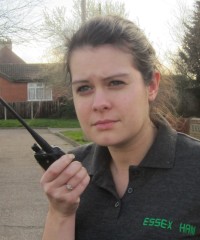
If you’ve ever been interested in, or dabbled with, radio or electronics, it’s worth considering becoming a radio amateur to learn more about technology and radio. If any of the following apply to you, this could be the hobby for you:
- Interested in electronics or gadgets?
- Want to understand how radio and wireless technology works?
- Ever used a CB radio, PMR, walkie-talkies, or tried shortwave listening?
- Looking for a diverse technical hobby where there’s always something new to learn?
- Looking to join a community of like-minded people with an interest in tech?
- Interested in space comms, emergency comms or staying better connected?
What you can do:
There are so many directions that the hobby can take you in – here are just a few examples:
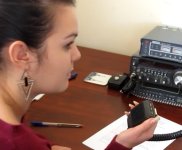 Chat to local hams from your home and whilst ‘mobile’
- Talk to other hams in the UK, Europe and around the world
- Connect your radio to the Internet for worldwide comms, and use various digital text & picture modes
- Experiment with radios, different aerial types, radios and transmission modes. Some amateurs are even bouncing signals off the moon
- Take part in contests – See how far you can get, and how many contacts you can make
- Support events in the community and help out in emergencies
- Learn and operate Morse code (known as CW), and communicate around the world (Morse is optional)
- Special events – Amateurs are often out-and-about spreading the word
- Try contacting the International Space Station or using satellites to communicate. Many astronauts are licensed amateurs and are occasionally available for a contact as they fly over
More than any of these though, amateur radio is about making friends. It’s a community, and amateur radio operators are keen to share their knowledge and help others, through the shared language of radio.
How do I get started?
You have to get a licence to operate amateur radio equipment and to transmit on the amateur radio frequencies, but that’s really not a big deal. The following video clip gives you an overview of how to get started in the hobby:
|
Video: How To Get Started |
Beginners to the hobby can take a short ‘Foundation’ training course, including our free course that’s now helped over 14,000 people get started. After completing a few hours of study, sit a straightforward multiple-choice exam, and assuming you pass, you can be on-air in a matter of days.
We offer a FREE online course to help you get started!
Gone are the days of taking an exam in person with a local club… you can now study online for free, and take your exam online – no need to complete any practical assessments, or visit an approved exam venue. To enrol, visit Foundation Online Registration. If you prefer classroom-based teaching, many local clubs offer training courses and exams.